2 x SHT41 on I2C mux
One in-tent probe and one outside probe on a TCA9548A multiplexer. Both keep their factory calibration. VPD is computed on the hub from the pair.
AGS brings dual-probe climate intelligence, local automation, Matter and IR expansion, and a full grow journal into one calm operating layer for small indoor rooms.
The AGS hub is a real appliance: factory-calibrated dual SHT41 probes, four PWM channels, IR learn/fire, and a Matter commissioner — not a sensor pod or a DIY stack.
One in-tent probe and one outside probe on a TCA9548A multiplexer. Both keep their factory calibration. VPD is computed on the hub from the pair.
LEDC PWM channels on the ESP32-C6. Assign each one in the app: light dim line, sunset ramp, EC/exhaust fan with PID, circulation fan, humidifier trigger.
38 kHz RMT transmit and receive. Learn the codes off your existing AC remote, mini-split, ventilator, or aux light, then fire them from the app.
Pair any Wi-Fi Matter plug directly from the hub. Up to 12 outlets join the same room schedule. No second app, no vendor cloud, no hub hop.
Two SHT41 probes mean the hub knows the difference between canopy drift and outside pressure. When the outside air is dry and cool, AGS can schedule the exhaust to help. When it is not, the hub stops guessing and doses the humidifier instead.
A sensor unit, a plug controller, and a climate computer in one hub. No Raspberry Pi, no vendor silo, no chain of apps that pretend to talk to each other.
Most small-grow controllers stop at smart plugs. AGS learns the IR code off your AC remote, stores it on the hub, and fires it on the same schedule as your lights and fans.
Plants, strains, fertilization recipes per stage, weekly reports with photos and climate averages, and a structured harvest log. Built into the same app as the controller.
Stop dosing light and water by wall clock alone. AGS swaps fixed timers for schedules that respond to live VPD, phase, and outside air.
No more Tuya app for the light, Shelly app for the fan, and manual notes for what is plugged where. Matter plugs commission directly to the hub.
AGS learns your mini-split remote and fires it on the same schedule as the rest of the room. The remote goes back in the drawer.
Strains, fertilization recipes per lifecycle stage, weekly photo and climate reports, harvest wet/dry weights. Captured in the app next to the live room state.
Single-probe sensor pods log nice charts but cannot switch a plug, dim a light, or trigger your mini-split. AGS reads, decides, and acts in one appliance.
Controllers from a fan brand only control that fan brand. AGS pairs any Matter Wi-Fi plug and any IR appliance with a remote. You are not locked into one vendor.
Professional grow controllers are built for multi-rack commercial rooms with dedicated HVAC. AGS is sized, priced, and designed for a 1.2 m tent in a spare room.
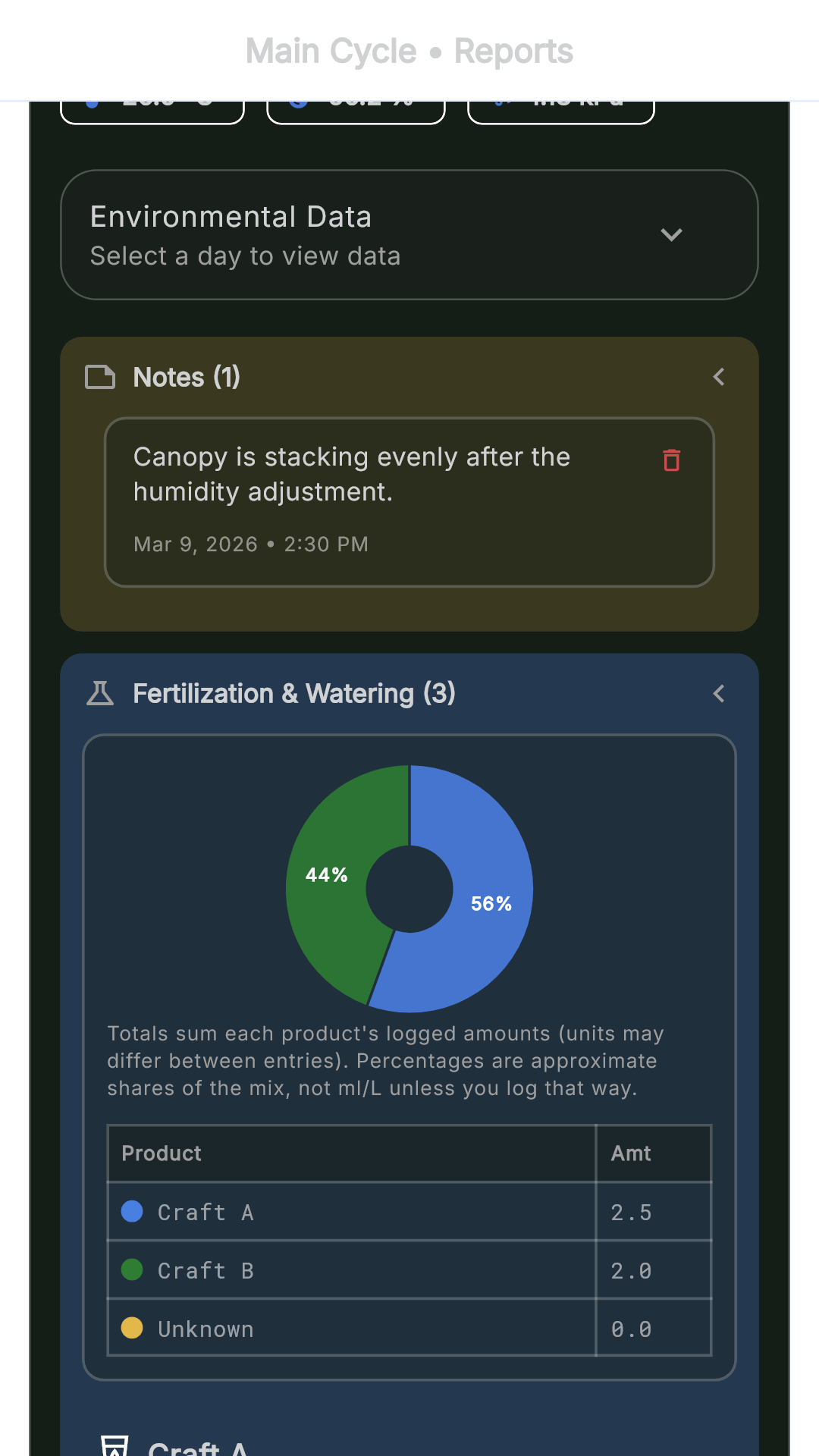
Device hub, telemetry, plants, weekly reports, and harvest — rendered from the shipping Flutter app, not mockups.
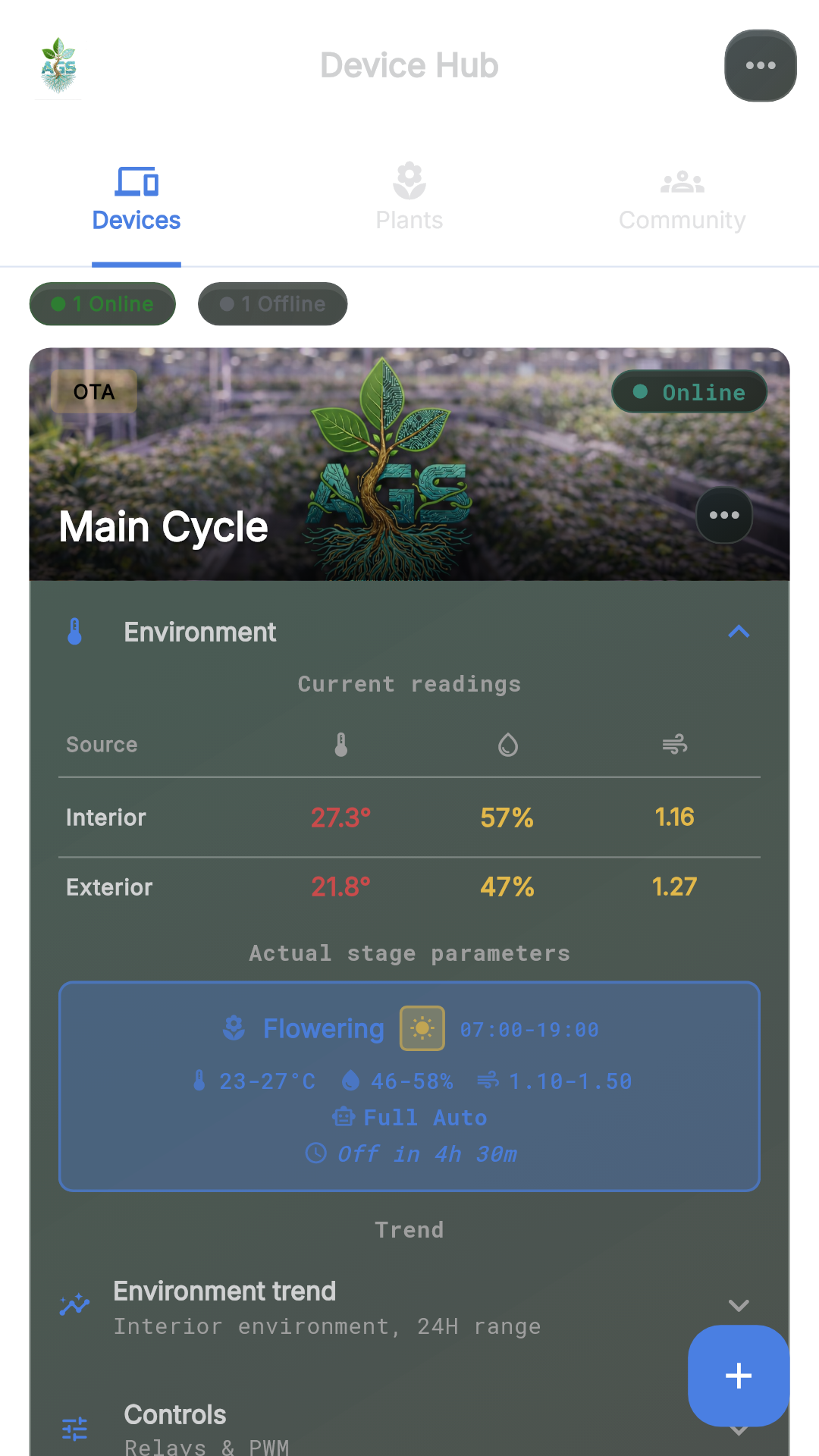
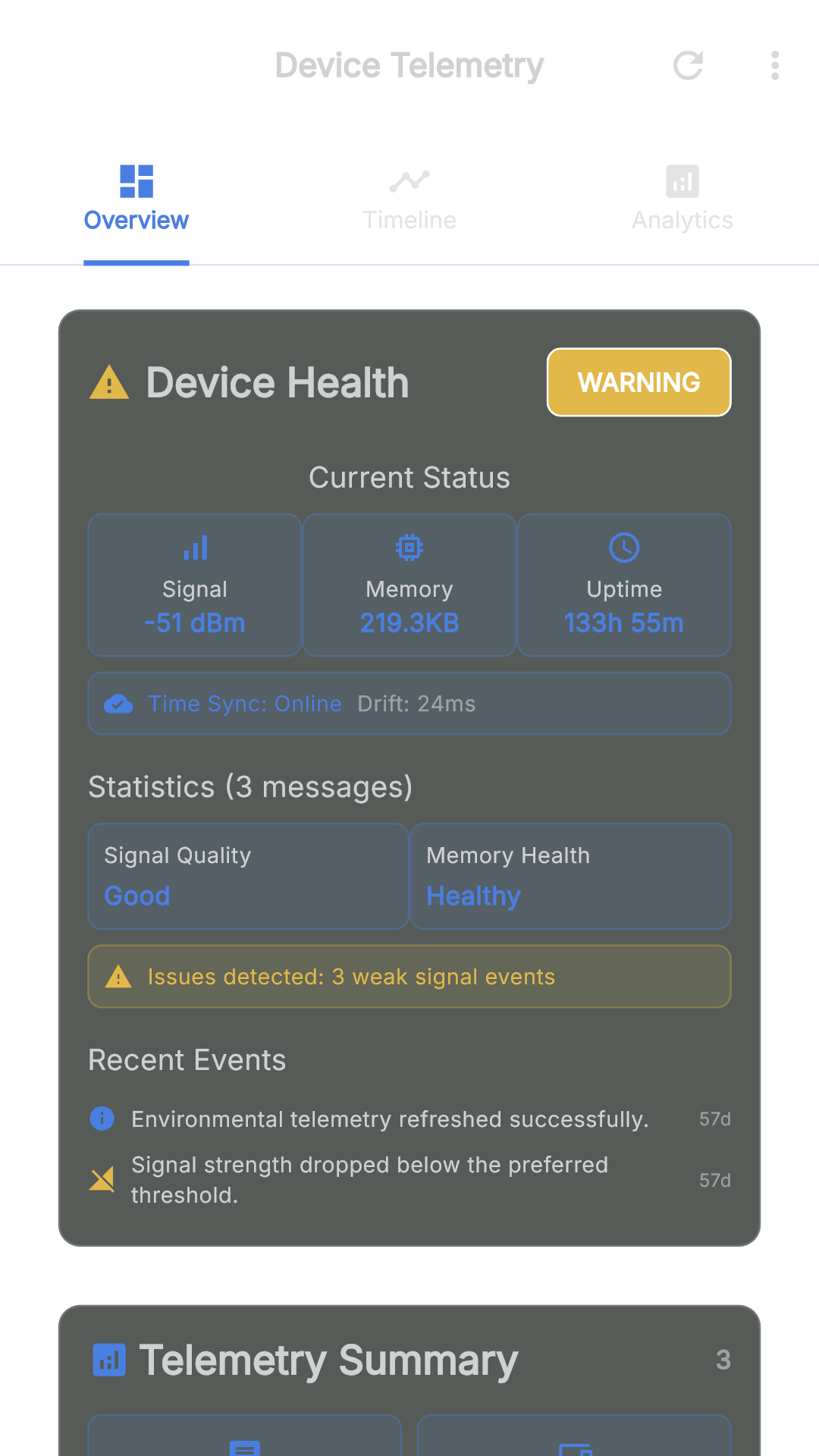
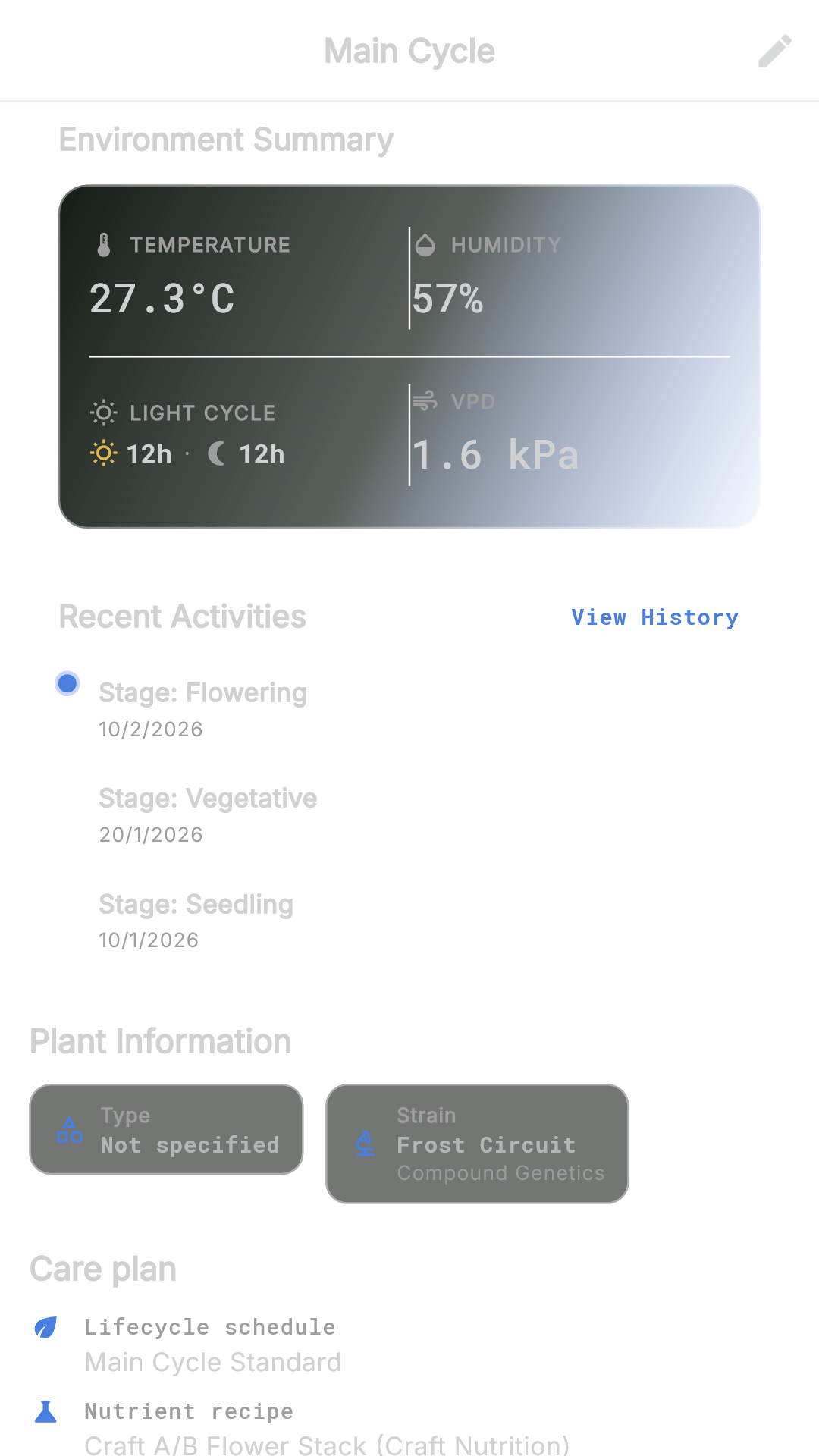
Start with Home and Product. You get the room model, the map, and the grower-facing reason without part numbers in the first minute.
Specs, Automation, Expansion, and Grow journal carry sensors, wiring intent, control loops, and Matter for real installation planning.
Trust, Roadmap, FAQ, and legal pages spell out data residency, launch status, and what is still in flight without hiding behind vague enterprise claims.
AGS runs on an EU provider that is not AWS, not Google, not Azure. Data lives in the EU. GDPR is the default, not a retrofit.
Sensing, PID, schedules, and PWM act from the hub. If the cloud is offline the room keeps running. The cloud is for visibility, history, and the app - not for keeping the lights on.
Firmware images are signed, downloads are tokenized, and every applied update is timestamped in the app's OTA history. Dual-slot flash means a failed update rolls back on its own.
The list is how we size the first run and who gets mail when units exist. No public price until close to first shipment.
Narrow field units, then a paid beta with explicit warranty. Firmware cadence tightens; features stay tied to the roadmap, not a slide deck.
CE-marked production, longer warranty, wider regions when support can follow. Same stack: local hub, EU-hosted service layer.
Free tier works today. Basic and Plus unlock harvest, faster telemetry, and full reporting. Hardware reserve is open while CE production finishes.
Leave an email and, optionally, a sentence about your room. We use the list to prioritize real setups, announce launch pricing, and open hardware reserve without turning it into a newsletter.